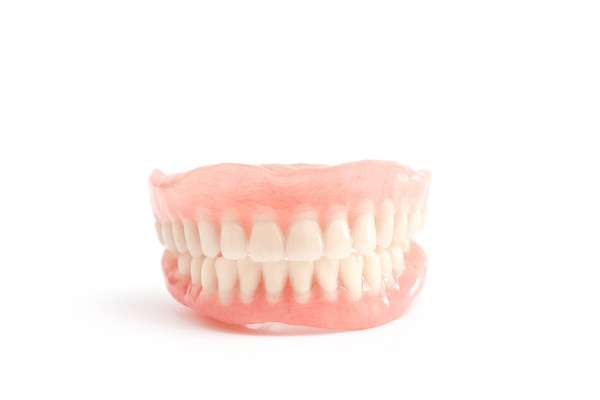
If a denture patient is experiencing sore gums, a denture relining may offer a better fit and more confidence. Dentures can have definite advantages, but only when they fit properly, allowing chewing and speech to be as normal as possible. Relining can help make this possible.
Know the types of denture relining
There are three main types of
denture relining, each with its own benefits and disadvantages. A patient should become familiar with these terms as they can make a difference when deciding on the use of dentures.
Temporary relining
When a patient has had ill-fitting dentures for a long period, causing soreness or an infection in the gums, the denture is lined with a soft, medicated material that helps the gums heal. Once healed, relining can be completed. If a temporary reline does not work, it is possible a new denture needs to be made.
Hard relining
This process entails lining the denture with material and fitting it to the patient. It then sets up to a firm, rubbery texture and subsequently replaced with acrylic, making the denture fit perfectly around all the curves of the gums. A hard reline can last for up to two years.
Soft relining
A soft reline can help compensate for uncomfortable rubbing by using a pliable material that can stay soft for a year or so, cushioning sore spots. If constant soft relining is needed, it is possible that the denture may need to be remade. The soft reline can last well beyond two years.
5 things to consider when making your choice
Armed with information regarding the types of relines available is a good start. Each person’s mouth and circumstances differ, however, changing the type needed. There are a few things a patient should consider prior to making that choice.
1. Why are relines needed?
A reline is necessary from time to time as the jaw changes. Shifting or shrinkage of the bones, gums or tissues are the main causes of needing an adjustment.
2. Does the denture have to go to the lab to be relined?
For a hard reline, the dentist sends an impression of the patient’s gums to the lab, where a permanent liner will be made. Once prepared, they will need to have the denture to place the reline. The process may take a day or two.
3. Can the dentist reline a denture in the office?
Both the temporary and the soft reline may be completed chairside, usually on the same day as a dental visit. The cost is less than a lab reline.
4. Can a patient reline the denture?
Do-it-yourself relining material can be purchased. The results are often uncomfortable and very temporary.
5. Can only a portion of the denture be relined?
It is not necessary to have the full
denture relined. A dentist can discover where the problem lies and address just that section of the denture.
Dentures are a good solution for those who no longer enjoy healthy, natural teeth, but a good fit is essential.
Denture relining can offer more comfort and a more secure fit.
Related Posts
You have tried whitening strips, whitening toothpaste, and maybe even a professional treatment. Yet your smile still looks dull or discolored. If you are wondering why your teeth whitening isn't working, intrinsic vs. extrinsic stains in Boca Raton could be the answer. Not all stains respond to whitening the same way — and understanding the…
If you are considering full-mouth restoration in Boca Raton, one of the first questions you probably have is: how long will the results actually last? It is a fair and important question. You are investing in your smile, your health, and your quality of life. Understanding the longevity of full-mouth restoration results in Boca Raton…
If you've been wondering why your dentures feel loose after a few years in Boca Raton, you're not alone. Many denture wearers notice a gradual change in fit over time. What once felt secure begins to slip, shift, or even cause soreness. Understanding why this happens — and what you can do about it —…